

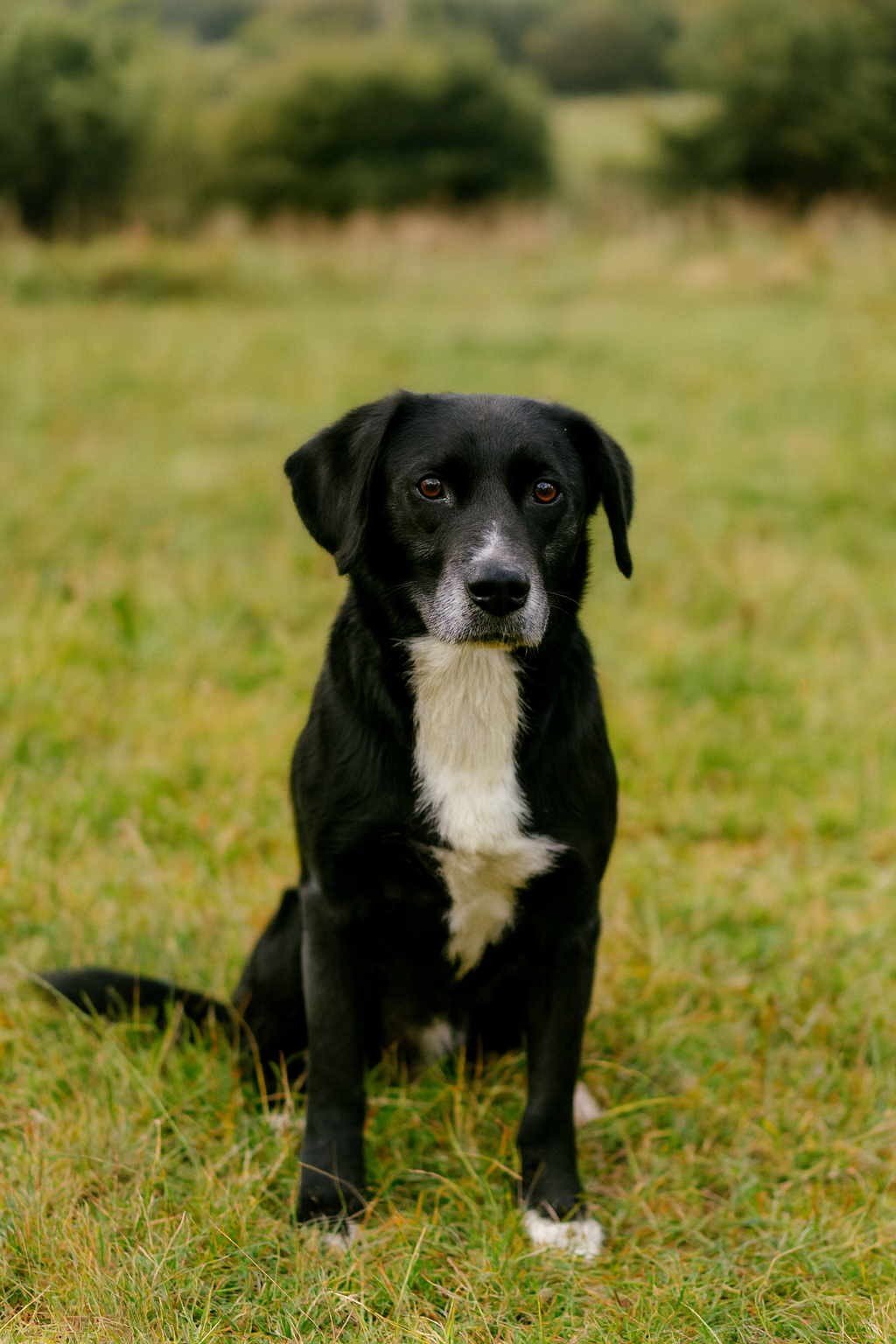
The daily dog walk is not just exercise — it is communication, regulation and confidence-building. How dogs are walked shapes who they become.
Across Ireland, welfare law and behavioural science point clearly to one truth: dogs learn best when they feel safe, supported and able to trust the handler beside them.
A dog who is dragged or shouted at doesn’t become obedient — he becomes suppressed. A dog who feels secure, guided and rewarded becomes responsive.
What Positive Reinforcement Actually Means
Positive reinforcement is not indulgence. It is structure, clarity and calm teaching:
- rewarding the behaviours we want
- redirecting behaviours we don’t want
- providing clear information the dog can succeed with
When reinforced consistently:
- pulling reduces
- reactivity softens
- focus improves
- recall becomes reliable
Walks Are Where the Nervous System Learns Safety
Dogs learn through emotional regulation, not force. Gentle walks allow:
- sniffing to reduce cortisol
- decompression
- calm repetition
- predictable pace
This is how dogs learn neutrality, not fear.
Off-Lead Freedom: Earned, Not Given
True freedom comes from:
- reliable recall
- emotional control
- respecting space
A dog who chooses to come back is safer than a dog pressured into returning.
The Outcome
Dogs walked through gentle, informed handling become adaptable, socially appropriate and relaxed. This is the future of welfare-focused handling — predictable, calm, enjoyable and safe.